What Happened at the Greensboro Sit Ins in 1960 and Why Does It Matter
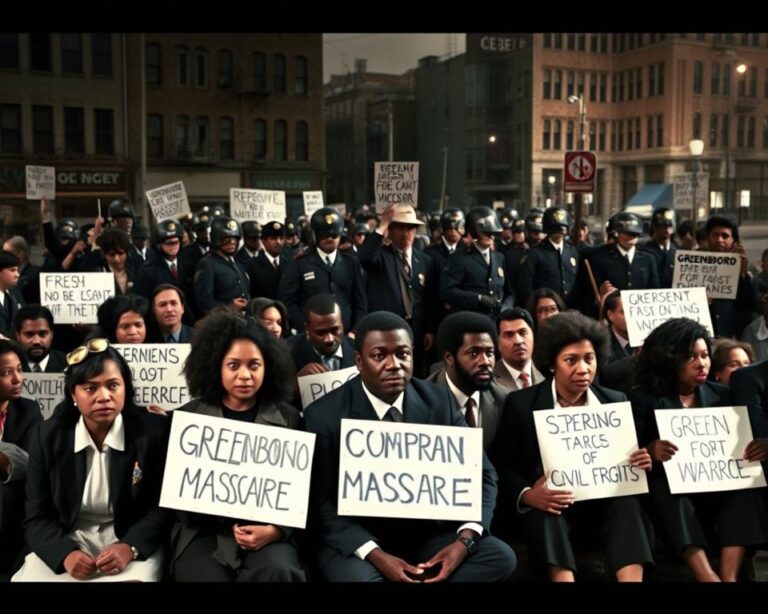
In early 1960, a quiet act of courage changed American civil rights forever. The Greensboro sit ins were more than just a moment of defiance. They were a powerful catalyst for change. Four college students walked into a local store, took a seat, and refused to leave until they were served.
This bold move challenged unfair laws of the time. By looking at the Greensboro protest history, we see how small actions can spark big movements. These young people stood up against systemic segregation in public spaces. They showed that ordinary citizens can reshape society.
Learning about these events is key for anyone interested in equality. This guide explores the bravery of those students and their lasting legacy. Join us as we uncover the story of how a single afternoon changed the nation.
The Spark at the Woolworth Lunch Counter
The Woolworth lunch counter was the scene of a key moment in the civil rights fight. A simple act of defiance there challenged the era’s deep-seated segregation laws. This event marked a turning point, sparking a movement across the country.
The Morning of February 1, 1960
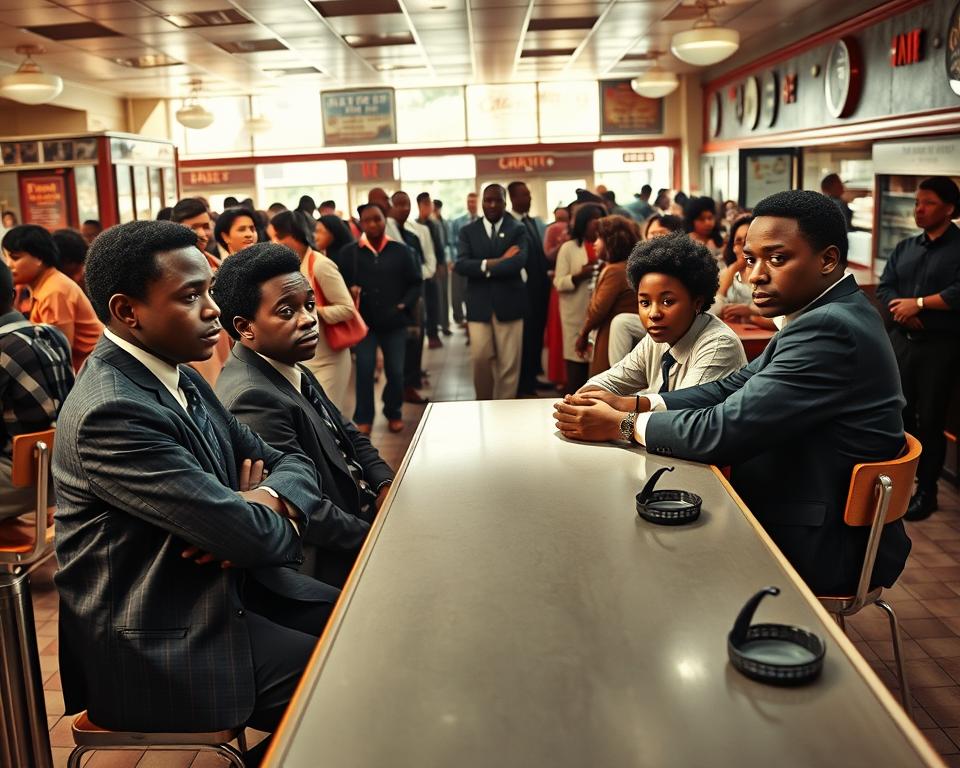
On a cold Monday morning, four freshmen from North Carolina A&T State University entered the F.W. Woolworth store in downtown Greensboro. They went straight to the lunch counter, reserved for whites. Their calm demeanor contrasted sharply with the discriminatory laws they were about to defy.
The Four Students Who Challenged the Status Quo
The A&T Four had planned their protest carefully to challenge the unfair “Whites Only” policies. They sought a seat at the table, not a fight. By sitting peacefully, they made the Woolworth sit in Greensboro a powerful symbol of nonviolent resistance.
The Immediate Reaction of Store Management and Patrons
The store’s atmosphere changed instantly as the students sat down. Management asked them to leave, but they refused to budge. This moment during the Greensboro sit ins showed the intense racial tension of the time.
Other patrons were shocked as the students stayed calm. The Woolworth sit in Greensboro showed that a small group could make a community confront its prejudices. Their courage paved the way for the widespread protests that followed.
The Greensboro Sit Ins and the Rise of Student Activism
Students started a movement that changed civil rights Greensboro NC at the Woolworth counter. What began as a small act grew into a big fight for equality.
This time is key in Greensboro protest history. The first sit-ins sparked a need for a more organized effort to keep the movement alive.
Organizing the Movement at North Carolina A&T
At North Carolina A&T State University, students knew courage wasn’t enough. They formed the Student Executive Committee for Justice to lead the movement.
This group helped manage volunteers and set clear roles. This ensured everyone knew their part in the fight for equality.
The Philosophy of Nonviolent Resistance
The movement stood on principles of nonviolent resistance. Students trained to face verbal and physical attacks with calm and dignity.
This training was key to show the public their cause was just. It was about dignity and justice, not violence.
Expanding the Protest to Other Local Businesses
As the movement grew, it targeted more than just the lunch counter. They aimed at other segregated places in the city to make a bigger impact.
This move was a key moment in Greensboro protest history. By pressuring businesses, students made them see the need for change in civil rights Greensboro NC.
The Escalation of Protests Across the South
The Woolworth sit in Greensboro sparked a wave of activism in the American South. It started small but grew into a strong movement. Students from different backgrounds came together to fight against segregation.
Spreading the Message to Other College Campuses
News of the students’ bravery spread fast. It went through phone calls, letters, and word of mouth. Soon, colleges in North Carolina and nearby states started their own protests. Student networks helped keep the movement alive.
The Role of the Student Nonviolent Coordinating Committee
The Student Nonviolent Coordinating Committee (SNCC) was formed to unite these protests. It taught students about nonviolent resistance. The SNCC helped young people work together across states.
Facing Harassment and Mass Arrests
The fight for equality was tough for these young activists. They faced harassment and mass arrests by local authorities. Yet, they stayed committed to ending segregation, showing the Woolworth sit in Greensboro was just the start of a big change in America.
How the Movement Changed Civil Rights Legislation
The bravery of students in Greensboro led to big changes in Congress. Their actions were more than just local protests. They sparked a national shift. The 1960 sit ins impact shows how grassroots courage can lead to big changes.
Economic Pressure on Segregated Establishments
The sit-ins targeted businesses’ profits. Students occupied seats, disrupting commerce. This hurt store owners who needed quick sales to stay afloat.
As protests grew, business leaders couldn’t ignore the financial hit. Many saw that keeping segregation was not good for business. Economic boycotts forced them to rethink their policies to stay in business.
Influencing the Civil Rights Act of 1964
The movement in Greensboro, NC, put pressure on lawmakers. They could no longer ignore the inequality in the South. The students’ activism gave politicians the moral and political backing to push for federal laws.
This activism led to the Civil Rights Act of 1964. The movement showed the need for federal action against segregation. Legislative reform was seen as the only way to ensure equal access for all.
Shifting Public Opinion Through Media Coverage
TV and newspapers brought the struggle into homes across America. Seeing peaceful students face harassment shocked many. This media coverage made the issue a national concern.
As more people saw the protesters’ dignity, public opinion began to change. This shift was key for lasting change. The events in Greensboro, NC, showed that public awareness can drive justice.
Reflecting on the Legacy of the Greensboro Protests
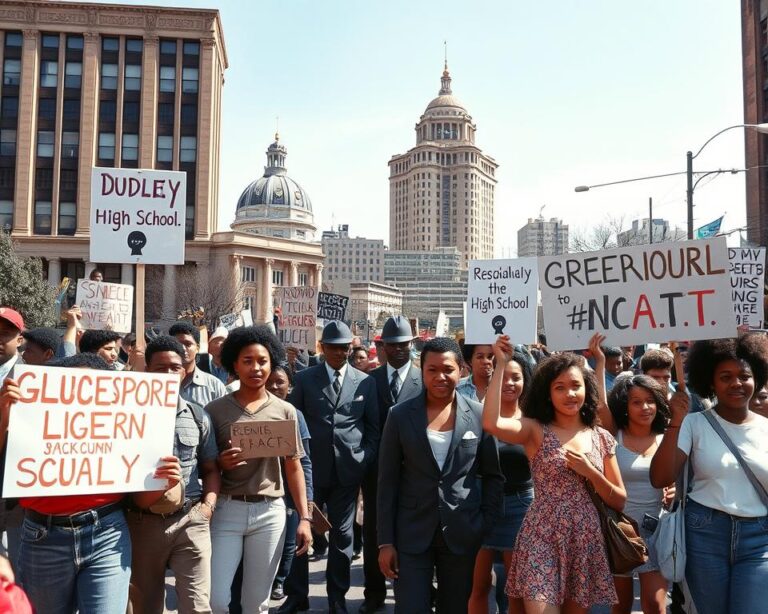
We look back at 1960 to grasp the roots of today’s social change. The 1960 sit ins impact is a strong force in our culture. These young students showed us that ordinary people can change a nation’s laws.
The original Woolworth lunch counter is now a key part of the International Civil Rights Center and Museum. It honors the A&T Four for all who visit. It’s seen as a place to learn about the fight for equality.
Think about how these acts of bravery influence us today. The 1960 sit ins impact teaches us that silence is not an option when injustice exists. Your voice matters in the fight for a fair society.
What lessons from this movement do you apply to your life? We encourage you to share how you keep this spirit alive in your community. Let’s continue to stand up for what’s right.