What Is the History of Cone Mills and How Did Denim Get Made in Greensboro NC
Looking back at American manufacturing, Cone Mills is a name that stands out. It’s amazing to think how a family business grew into a global textile giant. It all started when two brothers moved from grocery to fabric production.
This bold step helped create the denim history North Carolina is known for today. By setting up shop in the South, they found a wealth of resources and talent. Their dream became Cone Mills, a brand that shaped fashion for many years.
Join us as we uncover how these early dreams built a lasting legacy in fashion. This history shows us the skill behind every pair of jeans. Let’s discover how this area became the heart of American denim.
The Origins of the Cone Brothers and Their Vision for the South
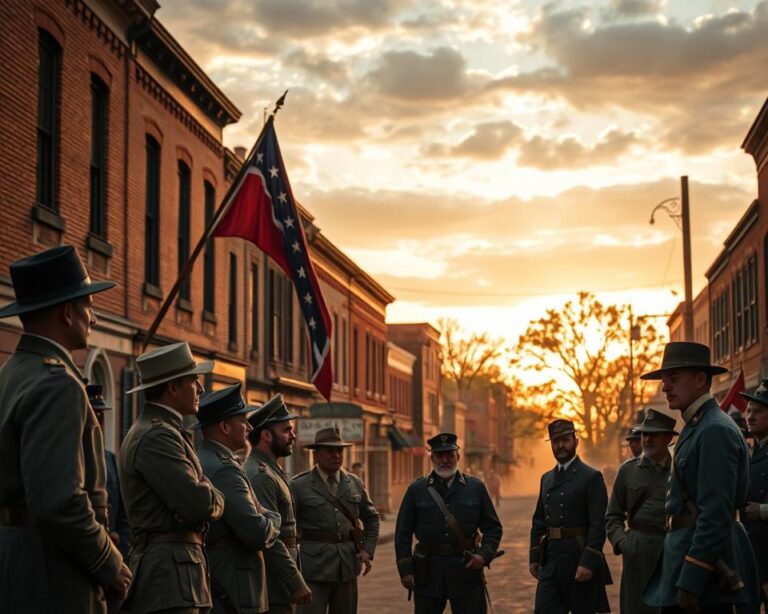
The story of Cone Mills starts with a big dream for the American South. Moses and Ceasar Cone were ambitious entrepreneurs. They saw the future of manufacturing in the heart of the cotton-growing region.
They wanted to move production closer to cotton fields. This would make their textile industry Greensboro more efficient.
Founding the Proximity Manufacturing Company
In 1895, the brothers started the Proximity Manufacturing Company. They named it because it was near the cotton fields. This choice cut down on transportation costs.
By controlling the supply chain, they kept high quality standards. This move was a huge success. It led to the growth of their facilities.
Their use of local resources set a new standard. It was a big step for the era.
Why Greensboro Became the Textile Capital
Greensboro was perfect for growth in the late 19th century. It was at a key railroad intersection. This made it great for shipping goods to the north.
The local labor force was ready to work. The city had land, reliable transport, and a dedicated workforce. These factors made Greensboro a top choice.
Today, we see Cone Mills’ success was tied to these advantages.
The Rise of Cone Mills and the White Oak Mill Legacy
We look back at a time when one mill changed the world of denim forever. This era saw a big shift to large-scale making. It shaped the American textile world for many years.
Establishing the White Oak Mill
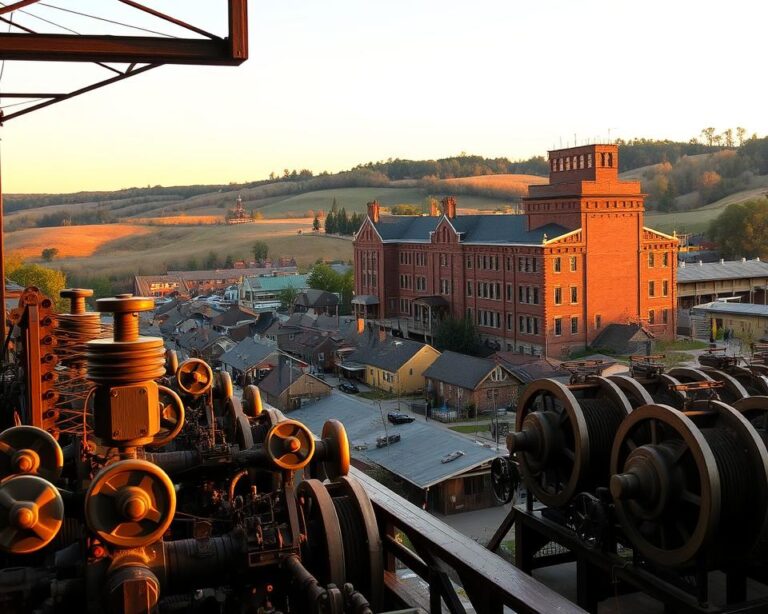
In 1905, the company started its biggest project yet. This place became the world’s largest denim factory. White Oak Mill history is all about this big leap, making the company a market leader.
The huge size of the plant was key. It could make denim for a growing nation. This made Cone Mills a big name in the industry.
Innovations in Denim Production Technology
Success wasn’t just about size; it needed constant tech updates. The mill introduced new dyeing methods for consistent colors. These methods raised the bar for Cone Mills denim high.
Engineers improved the looms for faster, better production. This move made high-quality textiles cheaper. The focus on innovation kept Cone Mills leading in textiles.
The Partnership with Levi Strauss and Co
A big moment came when the company teamed up with a famous denim brand. This deal with Levi Strauss and Co. changed Cone Mills forever. Their fabric became the top choice for American jeans.
The partnership aimed for durable, quality denim for hard work. Cone Mills denim became known for the American spirit. This partnership is a key part of White Oak Mill history and inspires designers today.
Daily Life and Community Impact in the Textile Era
The heart of the industry was the community built around it. The textile industry Greensboro brought about deep social changes. It shaped the daily lives of thousands of families in the area.
The Development of Mill Villages
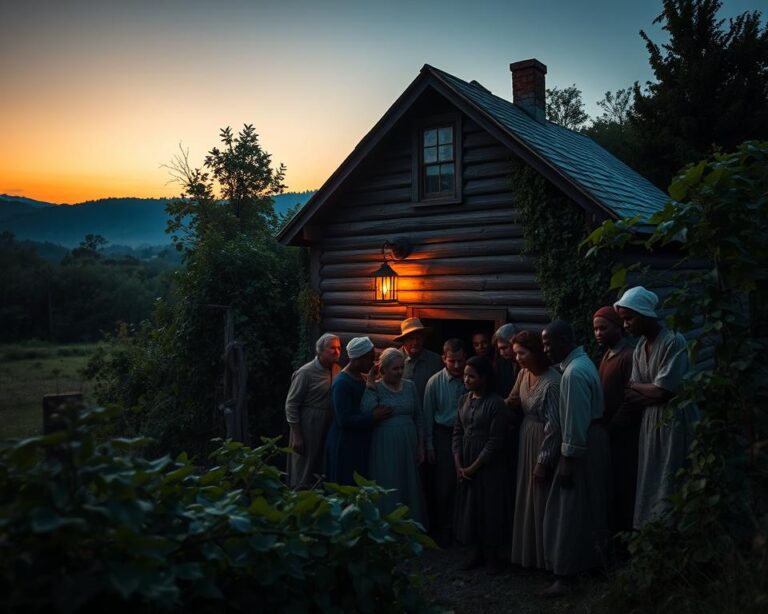
Mills built self-contained villages for their workers. These places offered more than homes; they gave a sense of belonging. Company-owned homes were rented to employees at low rates, making it easy for them to get to work.
These villages had schools, churches, and community centers. This focus on infrastructure created a close-knit community. It’s a key part of denim history North Carolina is known for today.
Social and Economic Contributions to Greensboro
The mills’ impact went beyond the factory. They provided steady jobs, helping the local economy during tough times. This stability allowed families to plan for the future and help the city grow.
The mills were also centers for community and shared values. The textile industry Greensboro supported sports and social clubs. These efforts shaped the city’s identity and the pride of its people in the denim history North Carolina legacy.
Challenges and the Changing Landscape of American Manufacturing
The American manufacturing scene changed a lot as the new millennium started. Old ways of making things faced tough competition from abroad. This made us realize the world economy valued cheap prices over homegrown goods.
Navigating Global Competition and Market Shifts
The textile industry Greensboro had grown for years faced tough times with cheaper imports. Many companies moved their work overseas to make more money. This forced us to rethink our business and future.
We stayed true to the quality of Cone Mills denim. We got new tech to keep up, but the global market was too big to beat on price. This time was tough, but we kept going through the ups and downs.
The Final Days of Operations at White Oak
The White Oak Mill closing was a big change in White Oak Mill history. The quiet of the looms was a sad end to a long story. It was more than just business; it was a loss for the workers.
Looking back at Cone Mills, we see its big impact on our area. The textile industry Greensboro may not be the same, but its legacy lives on. We celebrate the skill that made our denim famous worldwide.
Reflecting on the Enduring Cultural Significance of Greensboro Denim
We look back at the legacy of the White Oak plant as a cornerstone of American style. This site is a key part of our industrial past. It shows us how denim history in North Carolina is part of our national identity.
The influence of Cone Mills denim goes beyond the South. Even today, high-end fashion brands look for the authentic feel of 1940s looms. These machines connect old-school craftsmanship with new designs.
Keeping the White Oak Mill history alive helps us see the hard work and creativity of those who built this industry. We want you to share your memories of these iconic textiles. How does this heritage influence the clothes you wear today?