What Is the History of the International Civil Rights Center and Museum in Greensboro NC
Explore a key landmark that shines a light on human rights education in the U.S. By diving into the International Civil Rights Museum history, we learn how it evolved from a place of segregation to a global learning hub.
The museum opened in 2010. This was fifty years after the historic protests that changed America. It honors the bravery of those who fought for equality.
The Civil Rights Museum Greensboro NC keeps pushing us to fight for equality and civic inclusion today. Looking back at these moments helps us build a fairer future. Come with us as we share the stories that make this place so important.
The Spark of Change: The 1960 Greensboro Sit-ins
Exploring Greensboro museum facts, we find the start of a fight for justice in North Carolina. In 1960, the battle for equality moved from courts to streets. This time was about changing the rules and getting respect for everyone.
The Woolworth Lunch Counter Protest
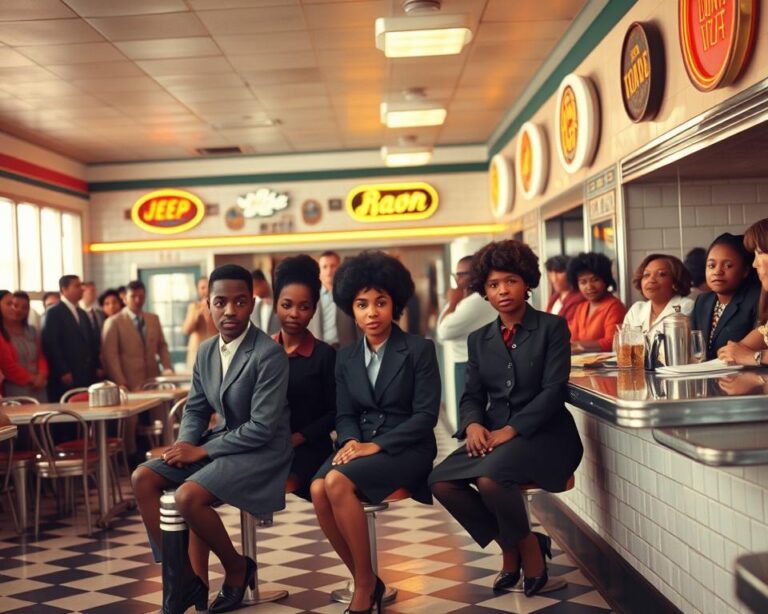
The Woolworth store in downtown Greensboro was where a big change happened. Back then, the lunch counter didn’t serve Black people. This systemic injustice was a big problem that needed fixing.
Protesters picked this spot to show how unfair it was. They wanted to show that everyone should be treated the same. The store became a symbol of the fight against unfair laws.
The Greensboro Four and Their Courageous Stand
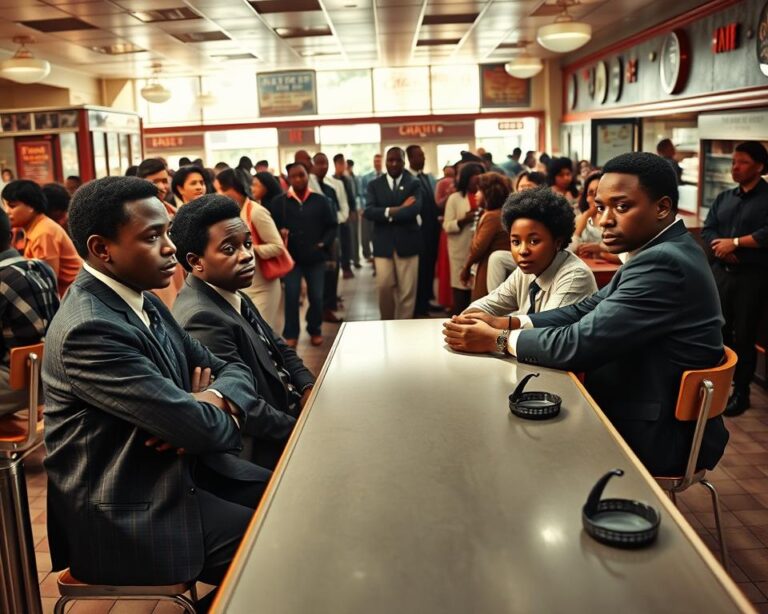
On February 1, 1960, four students from North Carolina A&T State University made a bold move. They were known as the Greensboro Four. They went into the store and sat at the counter meant for whites.
They stayed calm and polite, even when faced with anger. Their courageous act of non-violent resistance lasted until the store closed. They refused to leave until they were treated equally. Their bravery inspired many others to join the fight.
The Immediate Impact on the Civil Rights Movement
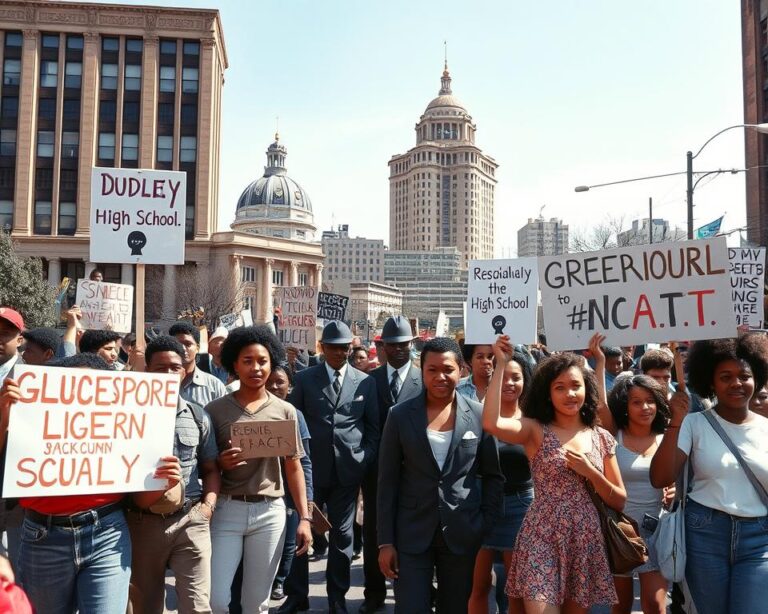
The actions of the Greensboro Four sparked sit-ins all over the United States. Soon, students in many Southern cities were protesting for desegregation. This showed that many people wanted change.
These events made the country see the truth about racial inequality. By looking at these Greensboro museum facts, we understand the risks taken by those who fought for our rights. Their impact is felt today in our fight for social justice.
Preserving a Landmark: The Greensboro Woolworth Building
The Greensboro Woolworth building’s journey from a bustling store to a national landmark is inspiring. Designed by Charles Hartmann in 1929, it was a key part of the local business area for years. When it closed in 1994, its future was unsure.
The Decline and Near-Demolition of the Site
After it closed, the building was neglected, facing demolition. Many saw it as old and ready for new buildings. Losing this site would have erased a key part of American history and the start of the sit-in movement.
Community Efforts to Save the Historic Structure
Local leaders saw the cultural value of the building. Melvin “Skip” Alston and Earl Jones led a fight to save it. They made sure the community knew its importance.
Restoration and Transformation into a Museum
Turning the old store into a museum was a big challenge. Preservationists kept the 1929 design while making it modern. This effort turned the Greensboro Woolworth building into a lasting tribute to civil rights.
The International Civil Rights Museum Greensboro NC Today
When we enter the historic Greensboro Woolworth building, we step into a place of ongoing equality efforts. It shines as a light for those wanting to grasp the American civil rights journey. By remembering the past, we can tackle today’s societal hurdles.
Mission and Educational Goals
The Civil Rights Museum Greensboro NC aims to push for human rights through learning and community involvement. We have thoughtful programming and interactive workshops for all ages. Our mission is to deepen the understanding of those who fought for justice.
Key Exhibits and Historical Artifacts
Guests can see powerful permanent galleries, like “The Battlegrounds” exhibit. It brings history alive with real items from that time. We’re proud to show the original pen used to sign the Voting Rights Act of 1965, a symbol of hard-won victories.
The Role of the Museum in Modern Social Justice
Keeping the Greensboro Woolworth building alive connects us to 1960’s events. Today, the Civil Rights Museum Greensboro NC sparks meaningful conversations about social justice and rights. We urge everyone to think about these lessons and how they can help create a fairer future.
Significant Milestones in the Museum’s Development
Creating a monument to justice is more than just building a structure. It needs a vision that lasts for generations. We’ve seen this site grow from a dream into a powerful reality. It educates thousands of visitors every year.
Founding and Official Opening
In 1993, a group of dedicated citizens started working to save the site of the 1960 sit-ins. They faced many challenges to secure the building. The grand opening in 2010 was a big win for the community. It made the International Civil Rights Museum a key part of American history.
Recognition as a National Historic Landmark
Getting national recognition was key to protecting the site for the future. The museum is now a top civil rights landmark in NC. This official designation shows the bravery of the original protesters. It also highlights the site’s role in the fight for equality.
Expanding the Narrative of Civil Rights Landmarks NC
We don’t just preserve the original lunch counter. We’re working on expanding, including buying nearby properties for new exhibits and programs. These efforts ensure that local activists’ stories stay important in the national conversation.
By growing, we’re making sure more people see the importance of civil rights landmarks in NC. We’re dedicated to keeping the International Civil Rights Museum history alive for every new generation.
Reflecting on the Legacy of the Greensboro Museum Facts
The power of this institution is in its role in the International Coalition of Sites of Conscience. It connects the 1960s history to today’s social justice movements. This shows how important it is.
This place is a key civil rights landmark in NC. It makes visitors think about their role in fighting for equality. It’s a chance to see history in a new light.
Visiting this site lets you feel the weight of history. It teaches us about the bravery needed to make change. Your visit helps keep these important landmarks alive.
Plan your visit to this historic site. Learning about the Greensboro museum will inspire you to fight for human rights. We can’t wait to see you.