What Were the Dudley High School and NC A and T Protests of 1969 About
We often look back at history to understand the roots of modern social change. In May, Greensboro faced a defining moment that changed its community forever. The NC A and T protests 1969 came from deep frustrations about student representation and inequality.
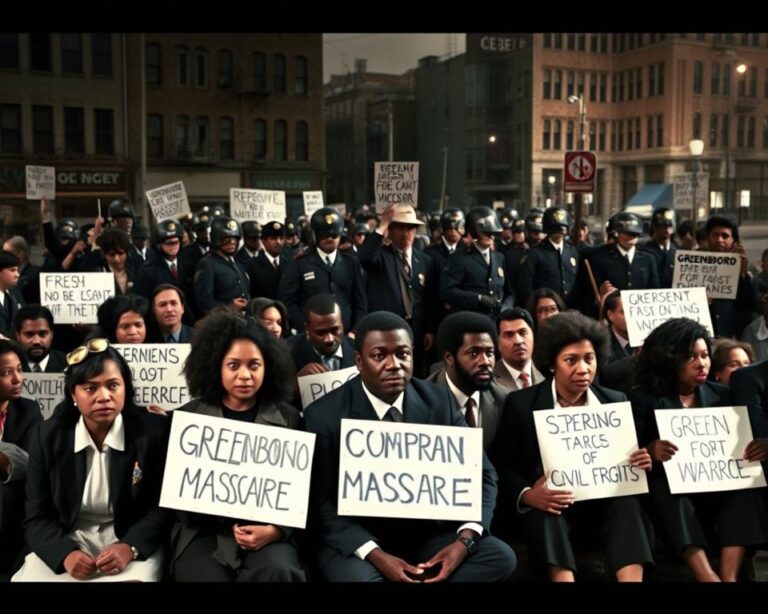
These events quickly turned into intense clashes between local youth, city police, and the National Guard. We remember this time as a period of unjust brutality that shocked many. By looking at the 1969 Greensboro protests, we see the courage needed to fight for basic civil rights.
We aim to find out what sparked this historic uprising. We will see how brave students faced overwhelming pressure. Join us as we explore this complex story to uncover the truth behind the fight for justice.
The Spark: Tensions at Dudley High School
To understand the civil rights struggle in Greensboro, we must look at Dudley High School. The school was not just a place to learn; it was a battleground for student identity. The strict rules created a pressure that eventually led to public action.
The Student Council Election Controversy
The main cause of the unrest was the disqualification of Claude Barnes from the student council election. Barnes was a well-liked student leader who wanted true representation for the students.
When school officials stopped him from running, they took away the students’ voice. This blatant denial of democratic participation sparked the Dudley High protests. It showed students that those in power didn’t want them to have a say.
Systemic Disenfranchisement in Greensboro Schools
Students also faced strict rules that felt like they were trying to suppress their culture. The school banned certain hairstyles and wouldn’t let students eat lunch off-campus.
These rules were not just small problems; they were seen as systemic attempts to marginalize Black students. By taking away these freedoms, the school made students feel very disconnected. They felt they had no way to speak up, so they decided to organize and demand change.
Escalation to the NC A and T protests 1969
The spirit of resistance moved from Dudley High to NC A&T’s gates. Younger students’ energy sparked a bigger wave of activism. This was a key moment in the fight for civil rights.
Solidarity Between High School and University Students
High school and university students formed a strong bond. University students admired the courage of high schoolers. They felt a duty to support their cause.
This unified front turned isolated incidents into a city-wide movement. Students worked together, creating a network of communication and support. The NC A and T student movement grew stronger, becoming a demand for dignity and respect across the community.
The Role of the Black Power Movement
The Black Power movement inspired these young activists. It taught them to take pride in their identity and challenge barriers with confidence. This gave them the courage to demand representation in spaces that excluded them.
This framework helped students express their frustrations clearly. They were no longer just asking for change; they were demanding to be heard. This shift was key to the growth of the NC A and T protests 1969.
Demands for Academic and Social Reform
Students aimed for specific, tangible goals. They wanted inclusive curricula that reflected their history and experiences. They also demanded more diversity in faculty and administrative roles.
These demands were more than requests; they were calls for fundamental change. By standing together, the NC A and T student movement forced the city to recognize their presence. They refused to accept the status quo, leading to a historic confrontation.
The Night of the Siege: Campus and Community Impact
The 1969 Greensboro protests turned dangerous as the night of the siege came. It started as a fight for student rights but quickly turned violent. This moment changed how the university and the city saw each other.
The Police Response and Escalation of Violence
Police used aggressive tactics to take back the area. They forcefully entered Scott Hall dorm, making students feel scared and targeted. This made things worse, not better.
The atmosphere was filled with fear and confusion. This time shows how fast peaceful protests can turn violent. The campus streets became a war zone, trapping everyone in the chaos.
The National Guard Occupation of the Campus
When things got worse, the National Guard came in. They made the university a war zone, with tanks and soldiers everywhere. The sight of military equipment on campus was very scary.
The Death of Willie Grimes
Willie Grimes, a local, died during the conflict. His death is a sad reminder of the devastating consequences of the violence. We remember his loss as a dark time in our city’s history.
Legal Battles and the Aftermath of Civil Unrest
After the violence stopped, we looked at how the law treated the student activists. The civil unrest NC left everyone shaken and looking for answers. The courtroom became a new battleground for the fight.
Arrests and Criminal Charges Against Students
After the protests, the police quickly arrested those involved. Many students were charged with serious crimes. This made families all over the city very worried.
The legal actions were meant to bring order back. But they also widened the gap between the students and the authorities. The Dudley High protests led to many arrests. These would affect the students’ futures for a long time.
The Long-Term Impact on Greensboro Civil Rights
The city had to face the consequences of how it treated minority students. The North Carolina State Advisory Committee released a report that was very critical of the local government.
The report showed a systemic failure to listen to the students’ concerns. It was a harsh reminder that the problems were ignored for too long.
In the end, the Dudley High protests started a hard conversation about equality in schools. Some changes were made, but the trauma of that time left a lasting impact on the civil rights movement.
Reflecting on the Legacy of the Greensboro Student Movement
The events of 1969 were a turning point for our community. The NC A and T student movement left a lasting impact on Greensboro. The physical scars took time to heal, but the spirit of the participants sparked lasting progress.
Our schools eventually dropped restrictive dress codes that once stifled student expression. We introduced Black history courses into the curriculum, validating African American students’ experiences. These changes are a victory for those who fought for their rights.
The bravery shown during the NC A and T student movement fostered pride and identity. This era helped shape modern civil rights activism in North Carolina. It reminds us that young voices can demand equality.
We invite you to think about how these lessons apply to today’s challenges. Does the history of student activism inspire you to act in your community? We encourage you to share your thoughts on how we can build a more just society together.