What Was the Greensboro Massacre of 1979 and What Really Happened
On November 3, 1979, a quiet morning in North Carolina turned into chaos. We look back at this day to understand the Greensboro Massacre. It was a violent clash between the Communist Workers Party and the Ku Klux Klan and neo-Nazi groups.
The tragedy happened in a public housing complex, changing lives forever. By looking at the facts, we aim to give a clear overview of that day. It’s essential to investigate the deep political and social tensions that fueled such extreme hostility. Join us as we explore the factors that led to the Greensboro Massacre and its lasting impact on our society.
Setting the Stage: The Political Climate of 1979 North Carolina
The roots of the tragedy are deep in the economic and political changes of the American South. To understand the 1979 Greensboro events, we must look at the tense atmosphere of the state then. It was a time when old ways met new demands for fairness and justice.
Labor Protests and Economic Shifts in the South
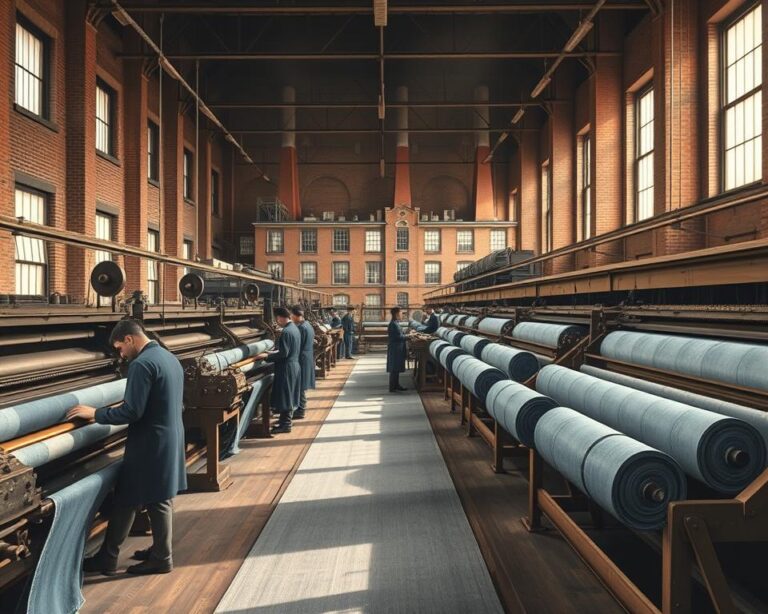
The textile industry was key to North Carolina’s economy, but it was changing a lot. Workers faced low wages and bad working conditions, leading to more labor protests NC. These protests aimed to unite workers in mills and hospitals.
Activists thought that working together was the only way to get fair treatment. This push for unionization caused big problems between workers and big companies. Workplaces became key places for political fights.
The Intersection of Civil Rights and Radical Politics
The 1960s civil rights movement left a big mark on the state’s social awareness. By the late 1970s, a new group of radical political organizations started to form. They wanted to link racial justice with economic change.
This time was filled with both hope and anger. As these activists grew stronger, they often faced off against powerful groups and white supremacists. This mix of ideas made even small labor protests NC turn into big fights.
The Rise of the Communist Workers Party in Greensboro
The Communist Workers Party Greensboro was a unique voice in the South. It started from the Workers Viewpoint Organization, founded in 1973. By the late 1970s, they had a strong presence in North Carolina, aiming to change the local politics.
Ideological Goals of the CWP
The party’s main goal was to fight against capitalism. They saw it as unfair to the working class. They wanted to challenge corporate power by uniting workers.
They pushed for multi-racial unions to fight economic inequality. They believed unity was key to change. This made them a strong and controversial voice in the area.
Organizing Efforts Among Textile Workers
The Communist Workers Party Greensboro targeted the textile industry. They saw it as a key to social change. They worked hard in Durham and Greensboro, talking to factory workers.
They aimed to create a strong, united group. But, this led to clashes with management and white supremacist groups. They saw the party as a threat.
Tensions Escalate: The Death to the Klan March
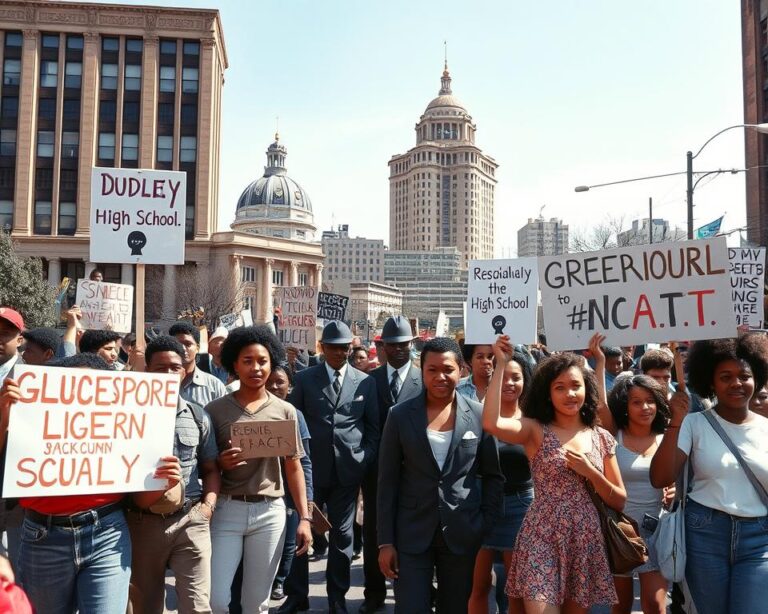
The “Death to the Klan” march in late 1979 was set against a backdrop of rising tensions. In North Carolina, the political scene was changing fast. Local activists felt they had to stand up against growing white supremacist groups.
This urge for action led to a series of bold moves. These actions would forever alter the city’s landscape.
Planning the November 3rd Demonstration
The Communist Workers Party Greensboro branch decided to hold a public march. They aimed to openly challenge the Ku Klux Klan. They picked a date and place that would surely lead to a face-off.
They invited everyone to join their “Death to the Klan” rally. They wanted to rally textile workers and civil rights supporters.
This planning was intense. The organizers were not looking for a quiet protest. They wanted to make a strong statement against racism. They believed directly confronting hate groups was the only way to stop their spread.
The Confrontation Between Activists and White Supremacists
As the march date approached, the words from both sides grew more heated. The Communist Workers Party Greensboro members openly challenged the Klan. They dared them to show up and face them.
This led to a dangerous situation where violence seemed likely.
On the day of the march, the air was thick with tension. White supremacists, provoked by the march, gathered to confront the activists. This clash of ideologies turned the streets into a volatile mix, setting the stage for the tragic events that followed.
These public provocations marked a turning point in the local struggle. The choice to escalate through a public march brought the groups face-to-face. This moment serves as a stark reminder of how quickly political hostility can turn to tragedy.
Anatomy of the Greensboro Massacre
Let’s explore the 88 seconds that changed everything. By looking at the facts, we understand a key moment in Klan Greensboro history. We use film and survivor stories to show the violence on Morningside Drive.
The Sequence of Events on Morningside Drive
The violence started when marchers met in the Morningside Homes. A group of Ku Klux Klan and American Nazi Party members came. Soon, the peaceful protest turned into chaos.
The whole shooting lasted just over a minute and a half. Five people died, and many were hurt badly. This quick turn of events is a key part of the tragedy.
Eyewitness Accounts of the Shootout
Many people and journalists filmed the scene. Their videos show how quickly things turned deadly. Witnesses talked about the confusion and fear as bullets flew.
These videos remind us how fast things can go wrong. They help us feel the fear in the neighborhood. They’re key for understanding Klan Greensboro history.
The Role of the Klan and Neo-Nazi Groups
The caravan came to confront the marchers. Mark Sherer, a Klansman, fired the first shot. This started a violent response from the other side.
These groups had been watching the protests. They brought weapons, leading to the bloodshed. Their actions are a big part of the history.
The Response of the Communist Workers Party
The marchers, part of the Communist Workers Party (CWP), fought back. They were armed and fired back at the caravan. This armed resistance made the shootout more intense.
The CWP said they were defending themselves. But the crossfire left the community shocked and seeking answers. This event is a dark chapter in Klan Greensboro history.
The Role of Law Enforcement and Informants
Looking at the Klan Greensboro history, we see the big role of government informants. The violence on November 3rd wasn’t just a sudden event. It was shaped by a mix of surveillance and intelligence failures.
The Presence of Police and Federal Agents
Local and federal agencies knew about the growing tensions in the city. They had reports about a possible violent clash between the Communist Workers Party and white supremacists. Yet, their coordination was seriously flawed.
The Controversial Role of Edward Dawson
Edward Dawson’s role is very troubling. He was a paid FBI informant in the Klan caravan. Dawson knew about the planned violence and gave the group a map of the protest route.
His involvement raises big ethical questions. How could someone working for the FBI help plan such a deadly event? This shows a huge failure in watching over informants.
Why Was the Police Presence Minimal?
The Greensboro Police Department had a very light presence on that day. Despite knowing about the danger, they were not near the march. This minimal police presence let the situation get out of control quickly.
Many think the police chose not to act. By not securing the area, they let a bad situation turn deadly. Understanding this part of the Klan Greensboro history helps us see why things happened so fast and tragically.
Legal Aftermath and the Two Trials
The shooting led to a series of legal battles. The community was left searching for answers. The history of labor protests NC and racial tensions of the time influenced these trials.
The First Criminal Trial and Acquittal
In 1980, North Carolina charged members of the Ku Klux Klan and the American Nazi Party. They aimed to hold them accountable for the rally deaths. But the defense argued they acted in self-defense.
The jury found the defendants not guilty. This verdict shocked the public. Many felt the legal system had failed to protect the victims.
The Federal Civil Rights Trial
After the state trial, the feds pursued civil rights charges. The 1984 trial aimed to prove the defendants conspired against the protesters. But the outcome was similar.
The jury acquitted the defendants again. This second acquittal increased the victims’ families’ frustration. It showed the criminal courts were not delivering the measure of justice the community wanted.
Seeking Justice Through Civil Litigation
In 1985, a civil lawsuit was the last attempt at accountability. This case had different rules and could look into more aspects. The plaintiffs aimed to blame both the white supremacists and some law enforcement.
This civil suit was a significant breakthrough. It found liability that the criminal courts missed. Though it couldn’t change the past, it brought some validation to those seeking truth. The legal journey highlighted the challenges of finding justice in a climate influenced by labor protests NC.
Historical Significance and Community Impact
Decades after the tragedy, our community wanted to heal. We realized that facing the past was key to a fair future. This journey of reflection has helped us grow and understand each other better.
The Greensboro Truth and Reconciliation Commission
In the early 2000s, we started the Greensboro Truth and Reconciliation Commission. It was the first in the U.S. Its goal was to give a transparent account of the violence.
The commission talked to many people and looked at thousands of documents. They found that both the Klan and the police were significantly responsible. Their report helped us understand our history better.
Healing and Remembering the Victims
Healing is a long journey for those who lost loved ones. We honor the victims with public markers and spaces for reflection. This way, we make sure their names are remembered by all.
We keep talking about justice and peace in our city. We know that acknowledging historical trauma is important for healing. By keeping these conversations going, we aim to prevent such violence in the future.
Reflecting on the Legacy of the Greensboro Massacre
The events of November 3, 1979, are a key moment in American South history. We reflect on the Greensboro Massacre to grasp its lasting impact. It shows the dangers of unchecked white supremacy.
It’s important to remember the need for police accountability. This protects the rights of all citizens. By honoring the victims, we celebrate their fight for social justice and labor rights.
This fight for equality is something we feel today. We hope this article has given you a clear view of what happened in Greensboro. We aim to start a conversation about the issues that led to violence.
We encourage you to share your thoughts on how we can learn from our past. Your input keeps the memory of those lost alive. Honest reflection is key to a more just society for all.
Let’s move forward with lessons learned. We strive for a future filled with peace and mutual respect.